EU and Philippines advance trade relationship
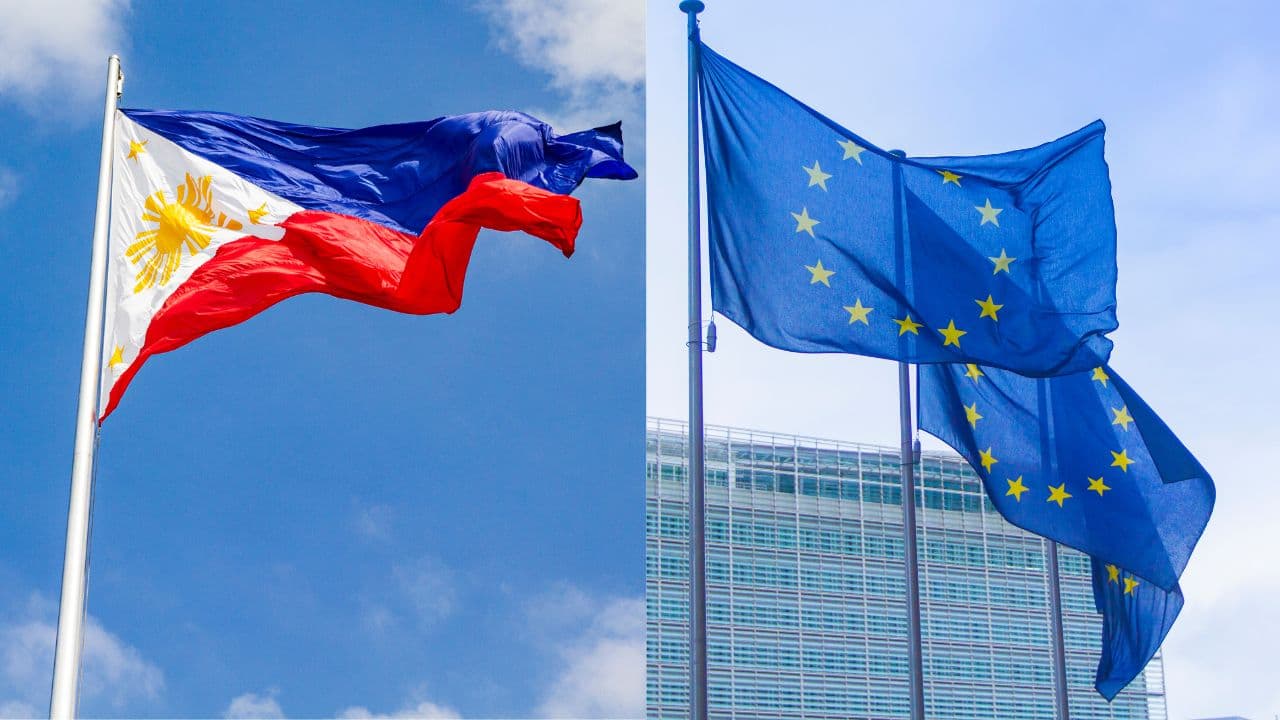
BRUSSELS/MANILA — The European Union and the Philippines have made significant progress towards a free-trade agreement as both sides seek to expand economic cooperation and strengthen international supply chains.
European Commission President Ursula von der Leyen announced the development on Tuesday following discussions with Philippine President Ferdinand Marcos Jr.
The agreement represents an important step in the EU's broader effort to deepen commercial relationships across the Indo-Pacific.
A comprehensive trade agreement could reduce barriers affecting goods and services while creating new opportunities for businesses operating between the European Union and the Philippines.
The Philippines, with its large population and expanding economy, has become an increasingly important market in Southeast Asia.
Investment opportunities
Closer economic relations could affect sectors ranging from manufacturing and agriculture to technology, digital services, renewable energy and infrastructure.
European companies are already active in the Philippine market, while Philippine exporters could gain greater access to consumers across the EU's single market.
The negotiations also come as governments worldwide attempt to diversify supply chains following years of disruptions caused by geopolitical tensions, conflicts and changes in international trade policy.
Southeast Asia has become particularly important in that strategy.
The Philippines is a member of the Association of Southeast Asian Nations, a region containing more than 600 million people and some of the world's fastest-growing economies.
The EU has increasingly sought deeper economic relationships with countries across the region.
A final agreement would still need to move through the required legal and political processes before implementation.
The development nevertheless represents a significant milestone for Brussels and Manila as they work towards a more comprehensive economic partnership.