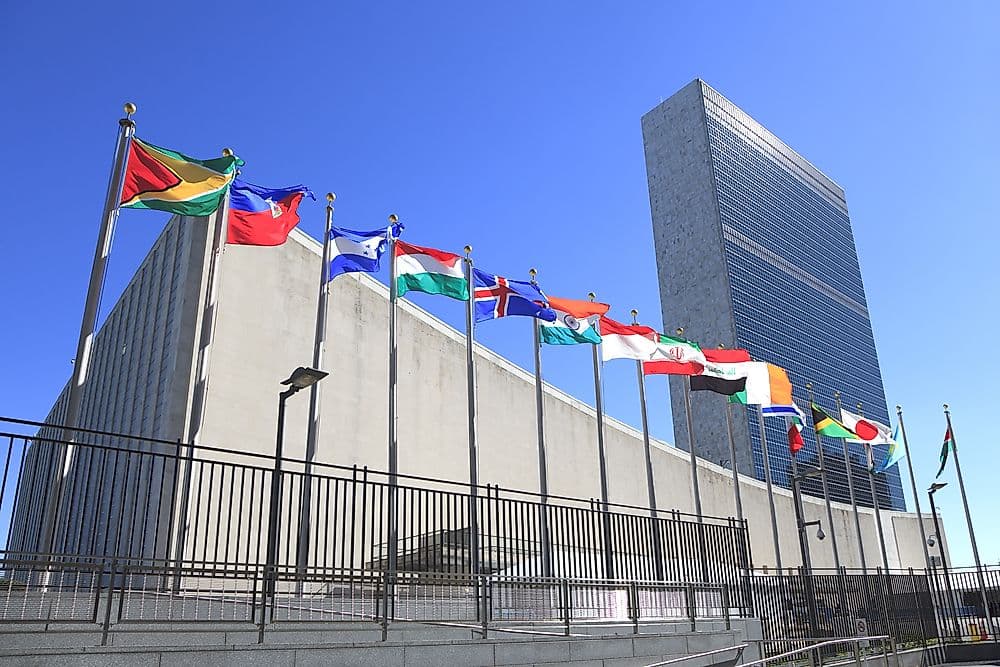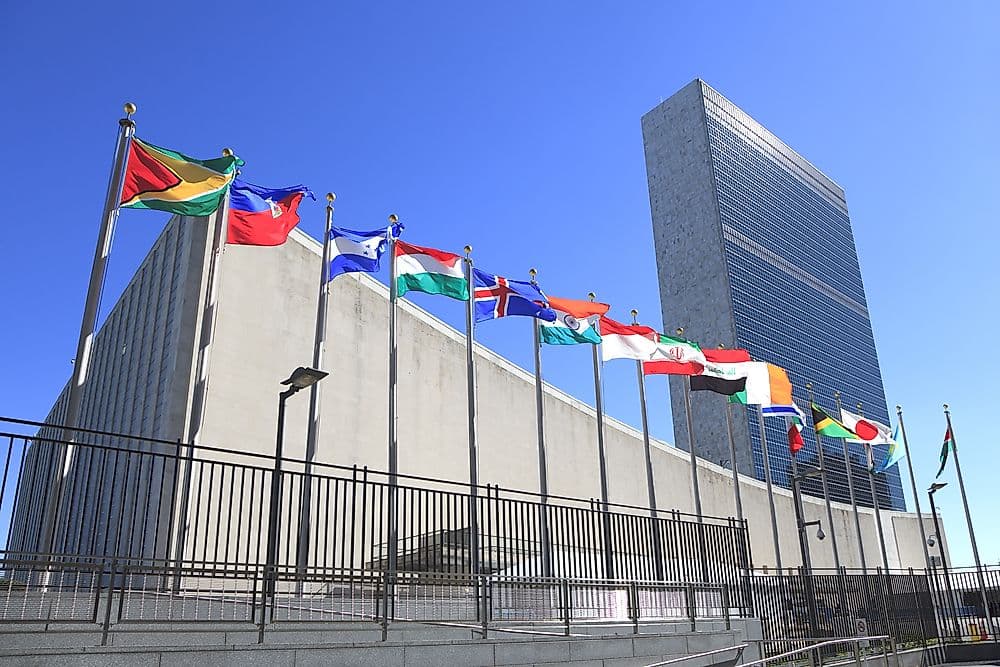
NEW YORK, 22 September 2026 — World leaders are gathering at United Nations headquarters in New York for the 81st session of the UN General Assembly, opening an intensive period of international diplomacy as governments confront a growing list of global challenges.
Presidents, prime ministers, foreign ministers and senior government representatives are using the annual gathering to set out their countries' priorities while holding a series of bilateral and multilateral meetings away from the main Assembly chamber.
The General Debate provides each participating country with an opportunity to address the international community directly, making the gathering an important platform for governments to present their positions on conflicts, economic development, international security and reform of the global system.
Diplomacy Under Pressure
The meetings come at a time when international cooperation is being tested by armed conflicts, geopolitical competition, economic uncertainty and disagreements over how global institutions should respond to emerging challenges.
Diplomatic discussions in New York are therefore expected to extend well beyond prepared speeches.
Meetings between individual leaders and regional groups could provide opportunities to discuss unresolved disputes, humanitarian concerns and areas where governments may still find common ground.
Development and Climate on the Agenda
Developing economies are also expected to use the gathering to highlight financing, debt, sustainable development and access to international investment.
Climate change remains another central concern, particularly for countries facing rising sea levels, extreme weather and increasing adaptation costs.
For many governments, the debate is no longer solely about environmental commitments but also about how the financial burden of climate action should be distributed internationally.
A Test for Multilateral Cooperation
The General Assembly does not function as a world government, but it remains one of the few international forums where virtually every country can participate in the same diplomatic process.
That gives this week's meetings significance beyond individual speeches.
As leaders move between the General Assembly chamber and private diplomatic discussions across New York, attention will increasingly turn to whether the gathering produces concrete initiatives capable of extending beyond the meeting halls.
The outcome could provide an early indication of how governments intend to navigate security, economic and environmental challenges during the year ahead.